Most teenagers spend their first years out of high school figuring out their college major. Zach Yadegari spent his building a viral consumer app empire. At just 19 years old, Yadegari has already scaled an AI-powered calorie-tracking app from zero to over $30 million in revenue in barely two years—culminating in a major acquisition by a leading fitness and nutrition giant back in March for an undisclosed sum.
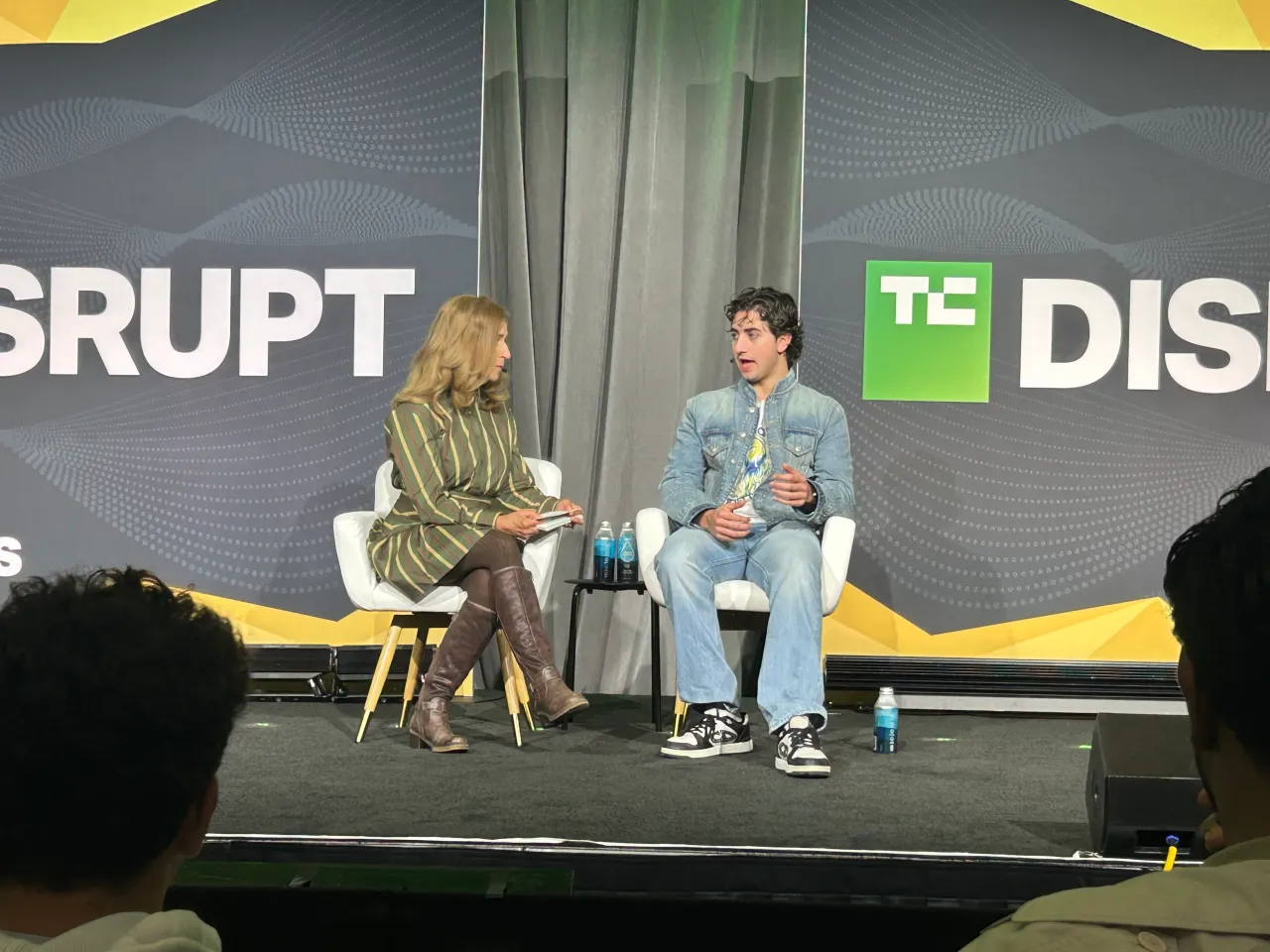
Speaking onstage at a major startup conference on Thursday, the young founder broke down the exact growth playbook that fueled his company’s meteoric rise after launching in 2024. Surprisingly, the secret wasn’t some complex algorithmic hack—it was a ruthlessly systematic influencer marketing engine.
The 1,000-User Spark and the Linear Growth Machine
The lightbulb moment for Yadegari happened early on when a single creator posted about the app and drove roughly 1,000 paying users in just 48 hours.
Once his team saw that initial traction, they didn’t overthink it—they immediately went into overdrive, onboarding and paying as many creators to post as humanly possible. As Yadegari explained, the beauty of the model was how predictable and linear the math turned out to be. Every single video posted generated a baseline number of views, and a reliable percentage of those eyeballs converted directly into paying subscribers. Instead of chasing a single lottery-ticket viral moment, they treated creator outreach like a high-speed manufacturing line.
The Deal Structure: Paying for Guaranteed Impressions
What really separated Yadegari’s strategy from traditional brand sponsorships was how his team negotiated contracts. Rather than paying flat fees for a single post and hoping for the best, they tied payouts strictly to guaranteed reach.
Yadegari pointed out that a massive chunk of the creator ecosystem consists of broke college students who are simply looking to make consistent cash. His team would approach them with a straightforward proposition: we will pay you a set amount, but you have to keep posting content until you cross a specific impression threshold.
Beyond structuring performance-based deals, the other critical piece of the puzzle was vetting the right talent. Instead of chasing vanity follower counts, they focused heavily on creators with tight-knit, highly engaged communities whose actual influence could be quantified at the checkout page.
Why College Wasn’t Part of the Plan
With his father sitting in the audience on Thursday, the 30-Under-30 alum took a moment to credit his family for giving him the freedom to chase his startup ambitions early. When the conversation turned to whether higher education played any role in his trajectory, however, Yadegari didn’t hold back.
Drawing laughs from the room, he remarked that the only real reason to attend college today is if you want a fun social extension of your childhood to hang out with people your own age. For builders looking to ship products and scale companies, the classroom clearly wasn’t where the action was.
Next Up: A $10M Bet on AI Agents and Hardware
Despite cashing out on his first runaway hit earlier this year, Yadegari is already onto his next venture. Earlier this month, he officially unveiled Persona, a brand-new AI agent startup that has already secured $10 million in funding.
The overarching vision for Persona is to blend computing seamlessly into everyday human life. Rather than trapping users inside a single standalone chat window, the personal AI assistant is designed to live wherever a user has an internet connection—operating across text messages, mobile apps, email threads, and even live phone calls.
Even more intriguing, Yadegari hinted that Persona won’t just be a software play. What sets their long-term roadmap apart is a plan to build a dedicated hardware ecosystem directly around the assistant—signaling that his second act is aiming far beyond the app store.